What we take on after storm damage
The practical trouble with storm damage on a Riverhead house is that it stops being a storm problem and becomes an administrative one: the adjuster, the contractor who disappeared, the permit nobody closed.
We deal with all three. What we need from you is an honest account of where things stand. Storm damage has not put us off a house yet, and the fastest route to a real number is to show us the worst of it rather than tidy it up first.
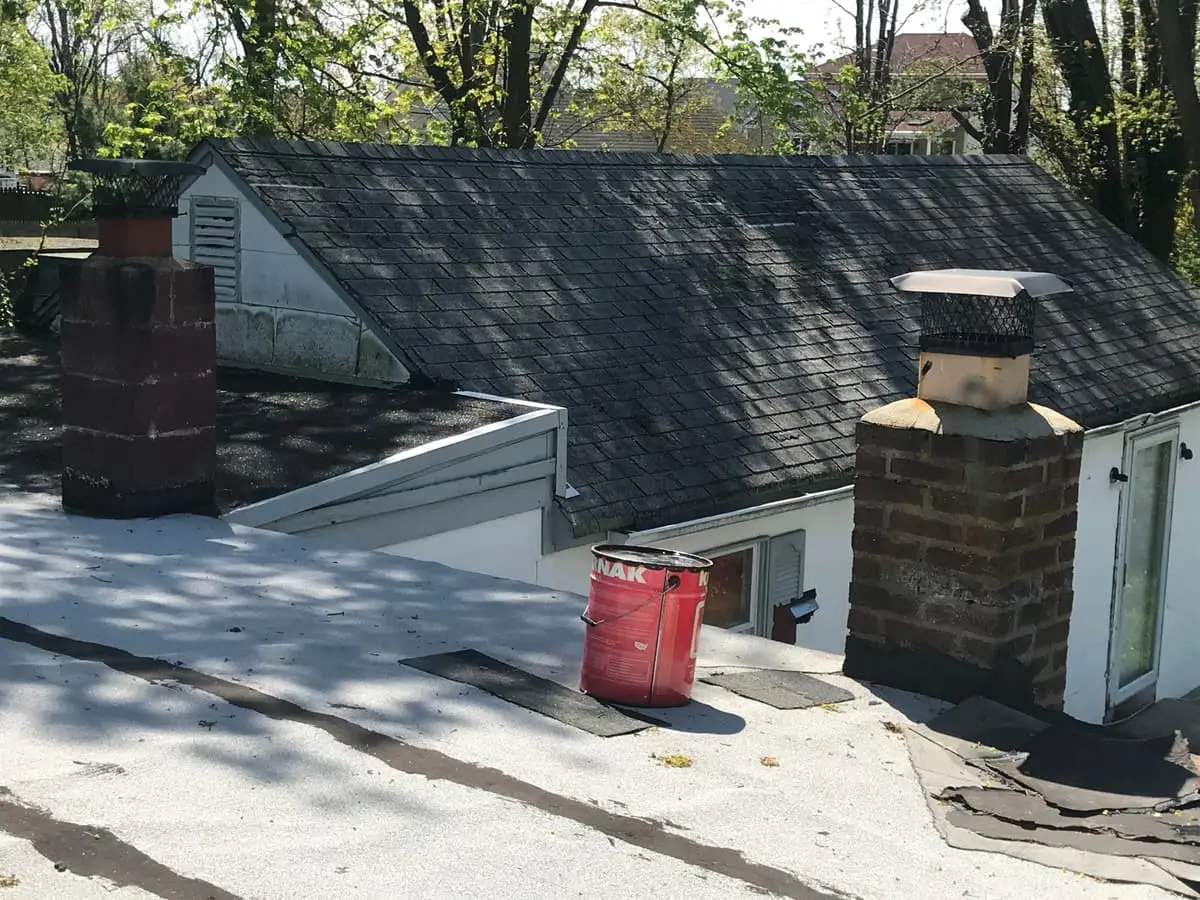
Half-finished storm repairs are their own problem
The pattern repeats across Suffolk County. The adjuster came, a number was agreed, the roof got done, and the interior never did.
A house stuck in that state is neither a clean fixer nor a finished home, which is exactly why it will not sell on the open market. Partially repaired storm damage is what we look at most weeks, and we price the work to finish rather than penalizing you for stopping.
Why local knowledge changes the number
A three-bedroom on Promenade Drive. In Riverhead, bought and paid for by us.
Riverhead is roughly 14,993 people in Suffolk County, ZIP 11901, and the housing stock is mostly colonial, ranch, cape cod. Around Main Street and the Peconic River, most of it is old enough that the mechanicals are on their second or third life. The Riverhead stop pulls buyers who commute, which supports the good houses and does very little for the ones that need a roof. We have been buying across Suffolk County for 15+ years. We know what the Riverhead Central School District does to a resale price, which blocks still have oil tanks in the ground, and what a house like yours is actually worth here.
Flood zones and what they do to a Riverhead sale
If the property sits in a flood zone, the buyer's insurance cost becomes part of their affordability math, and remapping has moved some houses into zones they were not in before. That narrows the retail buyer pool considerably. It does not narrow ours.
The median house in Riverhead sold for $650,000 and took about 46 days to go under contract, then another 45 to 60 days waiting on the buyer's mortgage. That is 91 to 106 days in total, for a house that was ready to show on day one. Add storm damage on top of a flood zone designation and the number of buyers who can actually close gets small very quickly.
When a tree comes through the roof of a Riverhead house
Once the roof is open, a house stops being a house to a mortgage underwriter. That is the mechanical reason storm-damaged properties get quoted so far below what owners expect on the open market.
We are not underwriting anything, so the roof is a cost line to us rather than a disqualification. Tell us what the adjuster said, what got tarped, and what is still open, and we will price the storm damage honestly.
What you do not pay when you sell a storm-damaged house
Listing a storm-damaged house the usual way brings each of these costs with it. Selling to us brings none of them.
- Agent commission
- $32,500 at 5% of the Riverhead median none
- Seller closing costs
- About $13,000 on a $650,000 sale. We can cover these. none
- Repairs to make it listable
- Everything a buyer would flag, paid for before you list none
- Cleanout and removal
- Per truckload, before anyone views it none
- Carrying costs while it waits
- Taxes, insurance and utilities through the 91 to 106 days a listing takes to sell and close none
The insurance claim: settle first, or sell first?
An open storm damage claim does not stop a sale. What it does require is a clear written agreement about who receives the proceeds, and that belongs in the contract rather than in a conversation.
Sometimes the cleanest outcome is that you keep the claim money and we buy the house for less. Sometimes the reverse nets you more. We will lay both versions out in numbers and let you and your attorney choose.
What the two paths cost in Riverhead
These are the two routes open to you with a storm-damaged house, priced against what Riverhead houses actually sell for.
Work it against Riverhead's own numbers. The median sale here is $650,000. A 5% commission on that is $32,500, and seller closing costs of about 2% add roughly $13,000. Those are costs we can cover on our side. That is $45,500 gone before anyone counts the repairs it took to get the house listable.
There are two waits in a listed sale and people usually only count the first. In Riverhead the median house takes about 46 days to go from listed to a signed contract. Then it waits again, typically 45 to 60 days, while the buyer's lender orders an appraisal and underwrites the loan. Call it 91 to 106 days from sign to keys, assuming nothing goes wrong.
The part worth understanding is what a signed contract actually guarantees, which is less than most sellers assume. A retail buyer with a mortgage contingency can walk away right up to the end. If they do not qualify, if the appraisal comes in under the price, if they change their mind and let the financing lapse. A share of deals die exactly there, after months of waiting, and the house goes back on the market with time on it. We are not borrowing anything, so there is no lender to satisfy, no appraisal to come in low and no contingency to exercise.
| Listing with an agent | Selling to us | |
|---|---|---|
| Sale price | $650,000 (Riverhead median) | Our written offer |
| Commission | −$32,500 | None |
| Seller closing costs | −$13,000 | We can cover them |
| Repairs before listing | Out of pocket | None |
| Cleanout | Yours | Ours |
| Showings | Until it sells | One visit |
| Listed to signed contract | 46 days (Riverhead median, once listable) | 24 hours to a written offer |
| Contract to closing | 45 to 60 days (waiting on the buyer's lender) | A date you choose |
| Total wait | 91 to 106 days if nothing falls through | Yours to set |
| Can the buyer walk? | Yes (mortgage contingency runs to the end) | No financing to fall through |
| Before repairs and carrying | $604,500 | The number we put in writing |
The agent column uses a 5% commission and about 2% of seller closing costs, which are typical rather than fixed. It leaves out repairs and holding costs because no two houses are alike there. Where a house is in good condition, listing with a capable agent can beat our number, and we will be upfront if that is the case.
Listing versus selling a damaged house as-is
The reason storm damage costs so much at the negotiating table is uncertainty. A retail buyer cannot price what is behind the wall, so they assume the worst and bid accordingly, then reduce again after the inspection.
We price the storm damage once, in writing, and we stand behind the number. That is generally worth more to a seller than a higher figure that shrinks twice before closing.
Common questions
There is an open storm damage claim. Can we still sell?
Yes, and it is common. The storm damage claim and the sale can run in parallel as long as the assignment of proceeds is documented properly.
Do you need an engineer report?
Not from you. If the storm damage needs one, we will order it ourselves and pay for it.
The storm repairs on our Riverhead house have an open permit. Is that a dealbreaker?
Not at all. Permits attach to the property, so they come along with it. We handle the Riverhead building department side ourselves once we own it.
The damage is from a storm years ago and was never finished. Do you still want it?
Yes. Old unfinished storm damage is one of the most common situations we buy, and the age of it does not count against you.
Can you close before the next storm season if we need to be out?
Tell us the date you need and we will work to it. Nobody can guarantee a specific day before title comes back, but we can move quickly when the house is already damaged and sitting.